
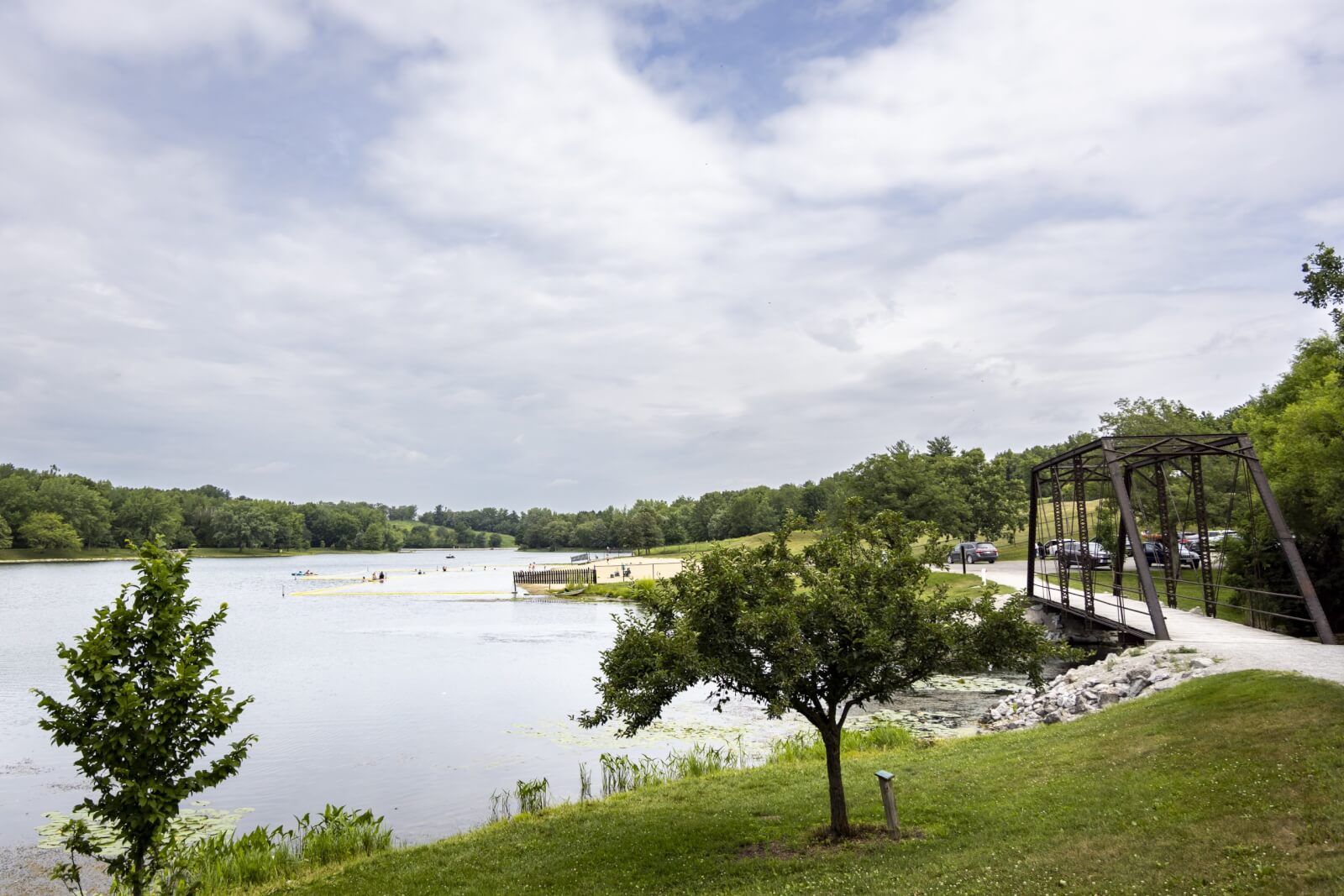
F.W. Kent Park was ranked by The Dyrt in its top ten list of the 2025 Best Places to Camp in the Midwest
This picturesque 1,062-acre park is located 3 miles west of Tiffin on Highway 6 is one of Iowa’s premier county parks and one of the nicest you will find anywhere.
A 27-acre lake, which contains catfish, large mouth bass, bluegill, and crappie, provides the angler with many fine hours of fishing enjoyment.
What The Dyrt’s community of campers has to say: “The perfect weekend getaway. My dad and I tent camped here in mid August. It is the perfect camping destination between Amana Colonies and Iowa City.” — Evan G
Check out the rest of this year’s Best Places to Camp Regional Award winners in the Midwest Region, which are based on reviews and ratings from The Dyrt’s vast community of campers by clicking here.
“Driving cross country, this was my favorite campground. I had a large, private site that had a mowed path leading to the lake. The large lake is beautifully landscaped with walking bridges made from recycled iron and memorial trees of many varieties.” — Lisa S
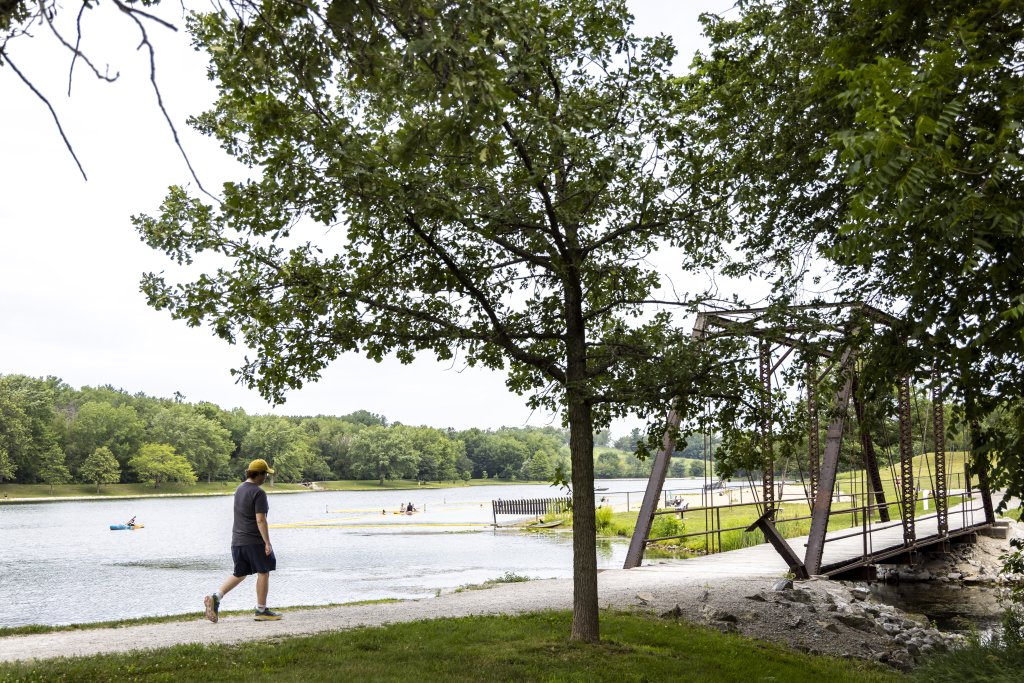
Frederick (Fred) Wallace Kent was best known as a versatile and talented photographer who documented everything from family and community life to landscape and natural vistas in Iowa, particularly in Johnson County.
He began what he described as a “lifelong love affair with photography” when he got his first Kodak Brownie Box Camera at the age of 14 in his hometown of Dewitt, IA. Fred made a darkroom in his father’s drug store and two darkrooms at home. He apprenticed with a local photographer and made postcards for local towns while he was in high school.
Of the tens of thousands of images he created, Fred considered his most famous to be the now ubiquitous pose of Nile Kinnick ready to pass the football, which he recorded in 1939, the year Kinnick was named All-American.
His meticulously labeled collection of family albums, travel albums, nature scenes, audio tapes, negatives, letters, diaries and his camera collection were donated to the State Historical Society.